
Recent posts: Soy protein
Soy: The latest research
If one natural food source were to earn the title of “controversial food of the year” it’d likely be soy. That’s why we wrote this article. Hopefully it helps you sort through the big soy protein controversy, leaving you with some practical strategies for soy consumption.
Why was soy promoted as a nutritional wonder by the ADA and AMA only to fall from grace, stimulating radical, and often diametrically opposed opinions from experts and nutrition buffs across the globe?
Why have recreational exercisers and internet posters on nutrition sites, vegetarian sites, fitness sites, bodybuilding sites, and health/wellness sites begun to either champion soy or denigrate its value as a viable food option?
And finally, with all the hullabaloo, all the back and forth, all the controversy, why aren’t people capable of having an objective discussion of the value soy may or may not have in the diet.
Well, these are all questions we’ve been wondering about. So we turned to the research. We interviewed a host of soy experts on both sides of the fence.
And from our research, we wrote this article. Hopefully it helps you sort through the big soy protein controversy, leaving you with some practical strategies for soy consumption.
A brief history of soy
Some of the first crops grown – way back in the 11th century BC – were soybean crops. These beans are native to East Asia and it’s no surprise that Asian cultures are known as innovators when it comes to soy products.
The three most important food derived from soy are things that are fairly common nowadays like miso, tofu, and tempeh. Interestingly, these foods have long been considered both nutrition and medicine in East Asia.
It wasn’t until the early 1700’s that soy was introduced in Europe. Shortly thereafter, in 1765, the first soybean plant was grown in North America.
Soy was initially grown in North American to feed animals. It didn’t become a human food crop until the early 1900’s. My, how times have changed. Today, 55% of total soy production originates in the United States.
However, the soy appearing today ain’t your grandmother’s soy crop. Genetically modified soybeans were introduced in 1995 – these modifications being made made to reinforce the crop against pests as well as against the chemicals farmers spray on the crop to prevent weed growth (think Round-Up).
Interestingly, about 13 years later, about 90% of the soybeans produced are genetically modified in one way or another.
What’s in a soy bean?
In terms of protein content, the soybean is roughly 41% protein. And the PDCAA score (a measure of protein quality) for soybeans is just below 1.0, with soy protein isolate at 1.0. As 1.0 is the highest score a protein can get, soy ranks right up there with milk, beef, and egg proteins.
When breaking down the specific amino acids, soy is rich in branched chain amino acids, lysine and arginine while being low in methionine and cysteine. To this end, soy protein is still “complete” in terms of the full amino acid profile.
However, due to the lower methionine and cysteine content, it’s marginal in this regard. Indeed, some experts consider soy a touch inferior to animal-based proteins.
In terms of dietary fat, the ratio of omega-3 to omega-6 fat in soybeans is about 1:7, which is sensible, especially when compared to oils like sunflower and peanut which are 1:100+.
Finally, soybeans contain a mix of slow-digesting carbohydrates. With fiber and other starches that may be good for promoting the growth of healthy bacteria in the gut, soy could be considered GI-friendly (assuming no soy maldigestion or allergy).
Is anyone actually eating soy?
Contrary to popular belief, cultural observation tells us that most traditional cuisines – even Asian cuisines – don’t incorporate soy as a staple food. The average soy intake in East Asian populations is between 40 – 90 grams per day (1.5 to 3 ounces).
Folks, that’s TOTAL soy intake (not soy protein grams). Indeed, this amount of soy equates to roughly 10 – 20 grams of soy protein per day. And this is actually less than what is “recommended” by the FDA.
In these cultures, soy is generally used as an occasional meat replacement or as a condiment to the main dish. In China, tofu has been nicknamed “the meat without bones,” because of its versatility in creating so many “meat like” replacement products.
In North America, unfortunately, refined soy foods – things like soy concentrates, textured soy, soy lecithin, etc. – are finding their way into more foods on supermarket shelves. Also unfortunate is that they’re becoming what people equate with soy consumption.

Indeed, between 2000 and 2007, United States food manufacturers introduced over 2,700 new foods with soy as an ingredient. And most of the soy foods being sold in North American are heavily processed.
In case you’re interested, check out this chart. It identifies the types of soy foods being sold over the past 2 decades.
The whole soy story
Kaayla T. Daniel, PhD, wrote a very controversial book all about soy. Her book, and related interviews, has introduced popular culture to a host of valid points about the potential dangers of excessive soy intake.
Unfortunately, rather than understanding the context, after reading one of her books or interviews, most folks will take a big step back from soy based foods.
However, even Dr Daniel has been very clear to note that a soy food intake similar to that of Asian cultures is healthy and doesn’t pose dangers.
We caught up with Dr Daniel recently, and this is what she said:
“Asia is a huge continent with many different dietary patterns and lifestyles. However, soy is always eaten in small quantities as a condiment in the diet and not as a staple food.
For most people, I do recommend soy foods made with organic soybean. But it’s important for people to understand that all soybeans, organic and otherwise contain phytoestrogens and anti-nutrients.
Thus, people put themselves at risk for health problems if they consume soy milk, veggie burgers and other unfermented soy products whether or not they buy organic.
Daniel has also stated that old fashioned soy products such as miso, tempeh, natto and soy sauce are fine when eaten occasionally. In fact, Daniel even confided in us personally that she and her children include them in their diets.
These products are encouraged by Daniel because they’re fermented. And the fermentation process in these soy foods can deactivate specific anti-nutrients – nutrients that cause digestive distress and mineral loss.
The day I contacted Dr. Daniel, she had just finished filing a petition with the FDA asking them to retract the soy/heart health claim. See here.
Another expert many of you may know, Cassandra Forsythe, PhD, author of the Perfect Body Diet, recently shared her thoughts as well.
Although she used to have the belief that soy, and all soy-related products, were detrimental to health and the achievement of an ideal body composition, she’s revised her position. S
he now feels that occasional soy protein consumption may not have such effects. Forsythe has also indicated that manufactured soy protein may have different effects than traditional soy foods, such as whole bean edamame.
But doesn’t soy decrease testosterone?
At this point, I want to dig into some interesting research. Specifically, let’s take a look at a 3-month study looking at the effects of different protein types on body composition during a strength training program.
In this study, the researchers provided daily supplements containing 50 grams of a variety of proteins – either soy concentrate, soy isolate, a soy isolate/whey blend, or a whey blend.
20 participants added these supplements, in conjunction with a resistance training program.
At the end of the 3 months, a significant increase in muscle mass was noticed with all of the protein supplemented groups. Interestingly, no significant differences were found among testosterone, body fat or body weight between the groups.
In the end, the authors concluded that 12 weeks of soy protein supplementation (50 grams per day) was as effective as the other protein types when it comes to boosting muscle mass during a strength training program.
Interestingly, as some people have suggested, soy supplementation doesn’t seem to decrease testosterone or limit lean body mass gains. It’s important to note that similar studies have been done using soy-containing supplemental nutrition bars. And the results have been consistent.
In another study using rats and endurance exercise, the authors concluded that protein synthesis was comparable between rats fed different protein-containing meals after exercise – including soy.
In yet another study, researchers found that elite gymnasts supplementing with soy protein (1 g/kg) for 4 months, saw favorable changes in their stress responses to training (when compared to the gymnasts not using any supplemental protein at all).

Finally, a Romanian study using Olympic athletes supplemented participants with soy protein (1.5 g/kg) for 8 weeks.
In the end, the authors found that the soy protein supplementation led to increased body mass (~ 3 kg, mostly from lean body mass) and strength indexes. Significant decreases of fatigue were found after training sessions.
No negative side effects or abnormal changes to metabolism were noticed and the product was well tolerated.
Now, before we move on, we want to be clear about one major, important thing. This section isn’t designed to promote soy protein supplementation. Not in the least.
However, it is here to demonstrate that when used as part of a sensible training program and varied, calorie sufficient diet, soy protein supplementation acts much in the same way that other protein supplements might act – with increases in lean body mass, decreases in stress hormone responses to training, and improvements in performance.
What about those soy phytoestrogens?
Many exercisers and athletes are concerned that the phytoestrogens (estrogen-like nutrients – things like isoflavones) in soy might be harmful to their health, hormonal profile, and body composition.
Well, before discussing this very “applied” issue, let’s look at what phytoestrogens really are…
Phytoestrogens (we’ll call them “PEs” from now on) are a group of natural estrogen receptor modulators found in various foods, with soy being the predominant source. These PEs serve as a defense mechanism in plants and as a natural fungicide.
When soy protein isolates and concentrates are created from soybeans, PE (and phytonutrient) content is diminished due to the alcohol used in extraction. So many of the PEs are naturally removed during the extraction process. However, some do remain.
The PEs found in soy foods include: genistein, daidzein and glycitein. These PEs are similar in structure to the estrogen hormone – estradiol. As a result, PEs have both weak estrogen-stimulating (estrogenic) and an estrogen-inhibiting (anti-estrogenic) effects, depending on the circumstance.
When someone swallows a mouthful of soy, the PEs are modified by intestinal bacteria and taken up into the blood. Once in the blood, these chemicals can weakly bind to the body’s estrogen receptors.
The body recognizes this binding of its estrogen receptors as a signal to produce less of its own estrogen. Now that’s one way that soy can actually lower estrogen production.
Another potential mechanism of PE action in the body is the alteration of circulating estrogen and testosterone concentrations. These can be altered by the PEs binding to sex-hormone binding proteins found in the blood.
The UK Committee on Toxicity (2003) noted that PEs bind weakly to the sex-hormone binding proteins and are unlikely to prevent estrogen or androgen binding (at normal blood levels).
However, when consumed in high doses, PEs could potentially act as anti-estrogens at the cellular level (by competitively binding to estrogen receptors), thus preventing the binding of estrogens that were produced within the body.
However, by binding to sex-hormone binding proteins, these PEs could displace estrogens from their blood-bound carriers and free them up to provoke stronger estrogen action in the body.
So, as usual when it comes to biochemistry, there’s no clear cut explanation for determining how PEs will function in the body. The actual effects depend on total amount of PEs in the body, receptor binding affinities, and probably a host of genetic factors.
Ok, now that we have some idea (a murky one, at that) of how PEs work in the body, let’s look at what the research says regarding how PEs might affect our hormonal action.
One study demonstrated that rats with a high exposure to PEs from soy (20 mg/kg and greater) had lower testosterone levels. Now, here’s the important differentiation point. In the lower dose groups, there were no significant changes to testosterone. (More on this below.)
Further, other studies are mixed – showing no change in testosterone levels, lower testosterone levels, or with a down regulation of estrogen receptors with high PEs in the blood.
So, in the end, despite these mixed results and a lack of consensus, there is a common theme: extremely high levels of PEs have an unfavorable influence on hormone levels, especially when it comes to hormonal status as well as building muscle and staying lean.
From rat to real life
Before we go on, let’s do something very important – something many authors fail to do. Let’s put these rat studies into a real life perspective.
We’ll start by looking at an adult male who weighs 190 lbs. (86 kg). If he were to consume 20 mg/kg of PE (like the initial rat study indicated), that would be 86kg * 20mg. And that would mean 1720 mg of PE per day.
Do you have any idea how much soy that’d be?!? If not, check out the following table. It gives you an idea of how much PEs are found in soy foods.
Now, as you can see from the table, our hypothetical male is VERY, VERY unlikely to consume 1720 mg of PE from food. Check out the following menu:
- 1 cup of cooked soybeans = 94 mg
- 6 ounces of tempeh = 74 mg
- 2 cups of soy milk = 60 mg
- 6 ounces of tofu = 40 mg
- 2 soy hot dogs = 22 mg
- 4 oz of soy cheese = 8 mg
- Total = 298 mg
Soy overload, for sure, right? Yet it only supplies 289mg of PEs…one-fifth of what might be required to lower testosterone levels.
So let’s get real here…it’s unlikely that testosterone problems would occur if someone were to eat a moderate amount of whole food soy products.
Indeed, a more traditional daily intake of soy for someone may look more like this:
- 8 ounces of tofu = 53 mg
- ½ cup soy milk = 15 mg
- ½ cup edamame = 12 mg
- Total = 80 mg of PEs
No more rats: Humans and phytoestrogens
Taking it to human studies, data on patients with prostate cancer showed that the intake of 80 mg/day of PEs did not significantly alter testosterone levels.
To go one step further, an intake of PE up to 16 mg/kg of body weight had no significant influence on behavior or physical characteristics.
Taking the dose up again, another study found that 84 straight days of consuming 450 – 900 mg/day of PE lowered DHEA levels and had estrogenic side effects in males with prostate cancer. Not necessarily good.
However, skim over the chart above to determine how much soy food that would be – it’d be a freakin’ lot!
Revisiting our idea from earlier, the fact that Asian cultures aren’t eating tons of soy foods, dietary PE intake has been reported to be about 65 mg/day in some Asian populations, with the Japanese averaging about 45 mg/day.
So the conclusion seems pretty simple…small amounts of PEs are probably fine. And small amounts are likely all you’ll get with a normal, occasional whole-food soy intake.
Soy and sperm
Have you ever heard of Dr. Jorge Chavarro? He and his colleagues from Harvard revealed findings from a study that show soy-derived foods and PEs linked to lower sperm concentrations. Not good, right.
However, the research did not find a negative relationship between soy and sperm mobility or sperm quality, which are both key factors to fertility. So maybe it’s not that big of a deal after all.
For this study, the researchers surveyed men on their consumption of 15 soy-based foods during the last 3 months and did not directly determine what other foods, medications, supplements, existing medical conditions, sexual activities or environmental factors may have affected the drop in sperm count.
Many of the study participants were overweight or obese, and males with high levels of body fat produce more estrogen than their lean counterparts. So, in this study, whether it was soy that caused the drop in sperm count or something else is hard to say.
Indeed, Asian populations have regularly consumed soy for generations without fertility disorders.
Also, Asian countries have healthy, high functioning children. Dr. Chavarro revealed that East Asian men consume more soy than the participants in his trial and do not develop fertility problems. Maybe genetics…maybe something else entirely.
Of course, this research aside, there is a body of research in which controlled amounts of PEs were fed to humans or primates and no negative effects on quantity, quality, or sperm motility were noticed.
Other concerns for hormonal manipulation via diet
With all of the concern and attention being devoted to soy intake and hormonal changes, we always remind ourselves that there are other dietary factors that can have an unfavorable impact on hormone levels.
Chronic alcohol intake is one of the most powerful mediators of sex hormone levels. Ethanol is a testicular toxin.
Chronic male alcoholics develop an assortment of endocrine disorders, including infertility, testicular shrinkage, and feminization, caused in part by elevated production of estrogens and inhibition of testosterone biosynthesis in the testis.
Also, alcohol increases the activity of aromatase, an enzyme that converts testosterone to estrogen in the body.
Also…estrogen. The major source of animal-derived estrogen in the human diet is milk and dairy foods.
60-80% of the dietary intake of estrogens originates from milk and other dairy foods in the Western world. In a Western diet, milk is produced predominantly by lactating cattle and gestation is under the control of steroid hormones, including estrogens.
Thus, high levels of milk-borne estrogens can be expected.
The milk that we now consume is quite unlike that which was consumed 100 years ago. Authors have hypothesized that milk is responsible, at least in part, for some male reproductive disorders.
Other authors have stated that “The Western diet (characterized by milk/dairy products and meat) causes a trend of increasing levels of estrogen.”
Maternal beef consumption (specifically, beef containing hormones) may also alter a man’s testicular development in utero and adverse affect his reproductive capacity. The point?
Well, it’s odd that soy is getting hammered for hormonal implications when, indeed, many of our dietary staples (alcohol, milk, and meat) all might also have an impact on our hormonal levels if we’re not conscientious about ensuring adequate exercise and a varied diet.
Rapid-fire: Soy and other health conditions
Soy and bones
Soy and other plant proteins have a lower net acid excretion, but it still isn’t clear if they have skeletal advantages over animal proteins.
A recent trial in North America looked at the effects of taking soy protein and doing moderate exercise on bone health in post-menopausal women.
43 post-menopausal women completed the trial. They were given either milk protein or soy protein isolate powder (both including calcium and vitamin D), with or without a supervised moderate exercise program (3 x/wk) for 9 months.
Compared with milk powder placebo, women on soy powder had significant reductions in bone turnover, but not in bone mineral density. High bone turnover leads to a greater propensity for fracture.
Two new meta-analyses from China have looked at the effect of PEs on bones. In the first meta-analysis, data from 10 trials involving 608 menopausal women showed a significant benefit on spine bone mineral density, this was predominantly noticed when PEs were given in higher doses and for longer periods.
In the second meta-analysis, data was combined from 9 trials on 432 subjects and showed that PE significantly increased bone formation and decreased bone resorption.
Soy and body composition
We know that protein is more satiating than carbohydrates and fat, and higher protein diets seem to be important for a healthy body composition, and soy protein seems to be as effective as other proteins in this regard.
An evidence-based review by Drs. Allison and Cope (Univ of Alabama at Birmingham), and Dr. Erdman (Univ of Illinois at Champagne-Urbana), found soy foods equal to other protein sources, such as dairy or meat, in helping to promote fat loss.
The review was published in the November 2007 issue of Obesity Reviews. The review found that individuals lost equivalent amounts of weight (and inches in some cases), using soy protein, dairy milk meal replacements, and beef or pork at equal calorie levels.
Soy and anti-nutrients
Trypsin inhibitors? Phytic acid? No, these are not characters from the new Shrek movie. These are substances found in soy foods. The good news is that they are deactivated by cooking and fermentation.
So consumed cooked and fermented soy foods won’t inhibit protein and mineral absorption. Also, phytic acid may have anti-cancer properties.
Soy and the heart
The American Heart Association (AHA) gives the “bottom line” about soy on their website:
“Taking soy or isoflavone supplements is unlikely to reduce your risk of heart disease. Eating foods that contain soy protein to replace food high in animal fats may prove beneficial to heart health.”
Now, I don’t place much weight on the opinion of the AHA. Why? Well, take a look at the following: you have to look close, but this side of this box of Nutri-Grain Yogurt Bars, we’ve got the AHA stamp of approval.
Ever since this was brought to my attention, conclusions made by the AHA mean about as much to me as my mom’s dog taking a crap in the park. I know, crude. But seriously, AHA. Nutri-Grain yogurt bars? Phhulleeze….How can we believe anything you say now?
Plant protein and kidneys
Soy protein, despite being of very high quality, doesn’t appear to have the same effect on kidney function that occurs in response to animal proteins. So, if your doc, or your mom still gets worried about the high protein meals, mix in some soy for good measure.
Soy recommendations and conclusions
Based on all of our readings, discussions and knowledge acquired about soy foods over the past 10 years, it seems that a reasonable amount of unrefined soy intake is fine.
Now, we don’t think soy is anything special in terms of disease prevention. Nor do we think it’s extremely harmful in your quest for optimal health, body comp, or performance.
With that said, we do caution against excessive soy intake. When consumption of soy foods is excessive, there might be some negative effects going on.
To this end, it seems best to avoid isolated and highly refined forms of soy on a regular basis. In other words, things like soy isolates, soy concentrates, textured soy protein, etc should be minimized in the diet.
Whole soybeans, soy milks, tofu, tempeh, and miso, on the other hand, are better options.
In terms of total intake, we’d say 1-2 servings of soy per day seems to be a safe and potentially healthy intake, but exceeding three servings per day on a regular basis may not be a good idea. (A serving is 1 cup of soy milk and 4 ounces of tofu/tempeh/soybeans.)
Now, it’s easy to understand how some individuals can consume excessive amounts of soy. Soy milk on the morning cereal, a soy protein smoothie for a snack, a soy burger at lunch, soy pretzels as a snack, and soy ice cream for dessert.
Even a soy novice would recognize that to be soy overload. So don’t make the mistake of eating tons of soy – even if you’re on a plant based diet.
Watch out for food pushers
While excessive soy consumption gets a bad rap, we often think about the excessive consumption of any one food and the potential negative effects. As we presented in this article, what about the high intake of alcohol? Or factory farmed dairy and meat?
Soy is a chief ingredient in the feed of factory farmed animals. Does this indirectly influence the nutrition of meat-eaters? Should they only purchase grass-fed animals? We hesitate to think that any “mono-food” excess is a good idea on a regular basis.
And, of course, the soy industry does it’s part (just like the dairy, egg and beef food pushing industries) to create just that – a mono-food culture. They push soy by overstating the benefits and undermining the concerns.
You might be shocked to know that as a registered dietitian, I receive AT LEAST one mailing per week from a major food industry telling me to push their particular food on my clients. I’m not making this stuff up, folks.
Now, of course, these messages get the “delete” treatment just as fast as do those annoying penis enlargement emails that also seem to make it through the spam filters.
Just think
In the end, as JB and I often have discussed, there’s a simple rule of thumb that most people somehow forget…repeatedly. And it’s this: You don’t often go wrong with whole, unprocessed foods. Where the problems typically occur is with processed food, in all forms.
This rule of thumb is also true with soy. Whole, unprocessed soy, is just a food. It’s not a political agenda. It’s not a public health crisis. It’s not a way of life. It’s not a medicine. And it’s not a panacea.
It’s one food – one of a few thousand foods people can include in their diets…or not. It’s nothing more. So, as the title of this article hints at, we want people to re-freakin’-lax when it comes to soy. Moderate doses of whole-food soy proteins really are no big deal.
References
Soy & Muscle
JISSN 2007;4:4.
Nutr J 2004;3:22-27.
J Nutr 2007;137:357-362.
J Sports Med Phys Fitness 2001;41:89-94.
Phytoestrogens
Am J Clin Nutr 1991;54:1093-1100.
Proc Soc Exp Biol Med 1995;208:44-50.
Epidemiol 1993;4:25-31.
J Natl Canc Inst 1996;88:1369-1374.
Toxicol Sci 2001;61:115-127.
Toxicol Sci 1999;51:236-244.
J Chromatogr B Analyt Technol Biomed Life Sci 2002;777:249-260.
Endocrine 2000;13:281-286.
Nutr Cancer 2007;59:163-168.
Nutr Cancer 2004;48:160-170.
Am J Clin Nutr 2002;75:126-136.
Nutr Cancer 1999;33:82-87.
J Epidemiol 2000;10:127-135.
J Nutr. 2002 Mar;132:570S-573S. Review.
Alcohol
Indian J Physiol Pharmacol 2006;50:291-296.
Subst Alcohol Actions Misuse 1983;50:291-296.
Alcohol Alcohol Suppl 1987;1:109-116.
Clin Experi Res 2004;5:780-785.
Other concerns…
Med Hypotheses 2001;57:510-514.
Med Hypotheses 2004;62:133-142.
Hum Reprod 2007;22:1497-1502.
Soy and bones
Menopause 2007;14(3 Pt 1):481-488.
Clin Nutr 2008;27:57-64
Eur J Clin Nutr 2008;62:155-161.
Am J Clin Nutr 2005;81:733-735.
Med Hypotheses 2006;66:1093-1114.
J Nutr 2005;135:1243-1247.
Soy and body composition
Metabolism 2007;56:280-288.
Soy and heart health
J Nutr 1998;128:209-213
Atherosclerosis 2007; Nov 16: Epub.
Am J Clin Nutr 2004;80:1391-1396.
Soy and anti-nutrients
http://www.fao.org/docrep/t0532e/t0532e01.htm
J Nutr 2003;133(11 Suppl 1):3778S-3784S.
Soy and Thyroid
Biochem Pharmacol1997;54:1087-1096.
Environ Health Perspect 2002;110 Suppl 3:349-353.
Cancer Epidemiol Biomarkers Prev2002;11:43-49.
Nutr Rev 2003;61:1-33.
All about soy
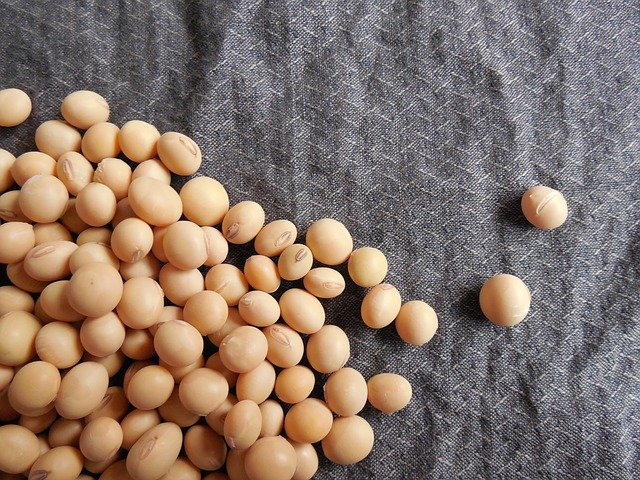
The soybean plant originated in China and made its way to North America in 1765. Soy production in North America started as a means to feed animals, only becoming a food crop for humans in the early 1900s.Genetic modification of soybeans was introduced in 1995; today, about 90% of the soybeans grown are genetically modified.Soybeans may contain up to 48% protein with a PDCAA score (a measure of protein quality) just below 1.0, with soy protein isolate at 1.0.
1.0 is the highest score a protein can get, and soy ranks up there with milk, beef, and egg proteins.
The ratio of omega-3 to omega-6 fat in soybeans is about 1:7, which is sensible, especially when compared to oils like sunflower and peanut which are 1:100+.
Soybeans contain a mix of slow-digesting carbohydrates, including fibre and other starches that may be good for promoting the growth of healthy bacteria in the gut. Thus, for people who do not have an intolerance to soy, soy could be considered GI-friendly.
What you should know about soy
Cultural observation tells us that most traditional cuisines in Asia don’t incorporate soy as a staple food. The average soy intake in East Asian populations is between 40 – 90 grams per day (1.5 to 3 ounces). That’s total soy intake (not soy protein grams).
This amount of soy provides 10 – 20 grams of soy protein. Soy foods are typically used as a condiment to the main dish and used in a “whole food” form such as edamame, or fermented, as in miso, tofu, natto and soy sauce. The FDA recommends 25 grams of soy protein per day as part of a balanced diet.
In North America, refined soy products such as soy concentrates, textured soy, and soy lecithin are finding their way into more processed foods. Between 2000 and 2007, U.S. food manufacturers introduced over 2,700 new foods with soy as an ingredient.
These forms of processed soy are what most people equate with soy consumption (rather than the whole food and fermented forms in traditional Asian cuisines).

Sales of soy products have drastically increased, perhaps due to health claims made about soy
Why is eating soy so important?
Hundreds of foods, including soy, contain phytoestrogens (PEs), also known as isoflavones (a type of flavonoid — the same flavonoids that make tomatoes, green tea and red wine “healthy”).
In the plants, they serve as a defense mechanism and fungicide. In humans, PEs, which include genistein, daidzein and glycytein, act as natural estrogen receptor modulators.
PEs are similar in structure to estradiol, a form of human estrogen. They have both weak estrogen-stimulating and estrogen-inhibiting effects, depending on the circumstance.
The UK Committee on Toxicity (2003) noted that PEs bind weakly to the sex-hormone binding proteins and are unlikely to prevent estrogen or androgen binding (at normal blood levels).
PEs provide the basis for much of the current soy controversy. When soy protein isolates and concentrates are created from soybeans, PE (and phytonutrient) content is diminished due to the alcohol used in extraction. However, some remain.
Phytoestrogen content of selected foods
| Food | Serving | Total PEs (mg) |
| Soy protein concentrate, water wash | 3.5 oz | 102 |
| Soy protein concentrate, alcohol wash | 3.5 oz | 12 |
| Miso | ½ cup | 59 |
| Soybeans, cooked | ½ cup | 47 |
| Tempeh | 3 ounces | 37 |
| Soybeans, dry roasted | 1 ounce | 37 |
| Soy milk | 1 cup | 30 |
| Tofu based yogurt | ½ cup | 21 |
| Tofu | 3 ounces | 20 |
| Soybeans, green, cooked (Edamame) | ½ cup | 12 |
| Soy hot dog | 1 hot dog | 11 |
| Soy sausage | 3 links | 3 |
| Soy cheese, mozzarella | 1 oz | 2 |
A traditional daily intake of soy for someone may include 6 ounces of tofu, a half-cup or soy milk, and a ½ cup of edamame. That would provide roughly 75 mg of PEs.
This is well below the amount necessary for having an unfavorable influence on hormone levels. However, as the chart above shows, a high intake from some processed soy products could easily provide much more.
We still can’t predict exactly how PEs will function after we swallow them. The actual effects depend on total amount of PEs in the body, receptor binding affinities, and possibly a host of genetic factors.
Despite these mixed results and a lack of consensus, there is a common theme: extremely high levels of PEs have an unfavorable influence on hormone levels for both men and women, and may inhibit muscle gain and fat loss to some degree.
Soy and cancer
Prostate cancer is low in countries that regularly consume soy and rodent studies have also found that PEs inhibit the development of prostate cancer and prostate tumor metastasis.
Soy and PE consumption does not seem to affect the endometrium in premenopausal women, although there have been weak estrogenic effects reported in breast tissue. Thus, studies in women have mostly shown beneficial effects (in cancer prevention), although the magnitude of the effects is small and of vague significance. If someone has existing cancer, it’s critical to know if the cancer is estrogen receptor positive. If it is, then it may be wise to avoid foods with a higher PE content.
Soy and pregnancy
Although there are still questions regarding in utero or early postnatal exposure, the low potencies and concentrations of PEs in the diet compared with the hormones manufactured in the body make it unlikely that adverse effects occur at common exposure. PEs in mom’s diet will appear in breast milk, but PE intake of breastfed infants is negligible. The American Association of Pediatrics cautiously recommends giving soy-based formula to infants, but only in cases where other options are insufficient.
Soy and sperm
There is a body of research in which controlled amounts of soy were fed to humans or primates and no negative effects on quantity, quality, or sperm motility were noticed. Could eating a lot more soy potentially lower sperm count? Sure. Is it something you should be concerned with? Probably not, unless you’re trying to make those sperm earn their rent.
Soy and bones
A meta-analysis (done on women) showed a significant benefit of PEs on spine bone density, especially when PEs were given in higher doses and for longer periods. A second meta-analysis showed that PEs significantly increased bone formation and decreased bone breakdown. Translation = soy PEs could be helpful for bones.
Soy and body composition
A review found that individuals lost equivalent amounts of weight (and inches in some cases), using soy protein, dairy milk meal replacements, and beef or pork at equal calorie levels. When soy protein supplements are used as part of a sensible training program and varied, calorie-sufficient diet, they act much in the same way that other protein supplements might act: increases in lean body mass, decreases in stress hormone responses to training, and improvements in performance. (See, for example, this study.)
Soy and anti-nutrients
Soy foods contain trypsin inhibitors and phytic acid, substances that can inhibit nutrient absorption. These substances are deactivated by cooking and fermentation. Thus, consuming cooked and fermented soy foods is unlikely to inhibit protein and mineral absorption. Also, phytic acid may have anti-cancer properties. Goitrogens found in soy (and other vegetables) only seem to cause thyroid problems when iodine intake is low and soy intake is high. Iodine can be obtained naturally from foods such as sea salt and sea vegetables (aka seaweed, e.g. kelp, dulse, etc.)
Soy and the heart
Heart health is influenced by the sum of one’s diet and lifestyle, not an ounce of miso. Small amounts of whole soy foods may help to control cholesterol levels.
Soy and the kidneys
Soy protein, despite being of high quality, doesn’t appear to have the same effect on kidney function that occurs in response to animal proteins. So, if your doc, or your mom, still gets worried about the high protein meals, mix in some soy for good measure.
Other interesting information about soy
The World Health Organization has identified soy as a high quality protein that can meet all of the essential amino acid requirements of humans.
Soy sauce and soy oil do not contain PEs.
Tamoxifen has long been an effective treatment for women with estrogen receptor positive breast cancer. In a study conducted in mice, researchers found that when genistein (a PE) is consumed as part of the daily diet, it can stop the ability of tamoxifen to halt breast cancer growth.
Summary and recommendations
In general, it’s hard to go wrong with whole, unprocessed foods. Problems typically occur with processed food, in all forms including soy.
Manufacturing processes remove the dietary fibre, carbohydrates, fats, vitamins, minerals, and hundreds of other helpful plant chemicals — leaving behind almost pure soy protein. The whole is healthier than the parts.
Although some studies show limited or conflicting results, when viewed in its entirety, the current literature supports the safety of PEs as typically consumed in diets that include small amounts of whole soy foods.
It seems best to avoid consuming isolated and highly refined forms of soy (such as soy isolates, soy concentrates, textured soy protein, etc.) on a regular basis. Whole soybeans, soy milks, tofu, tempeh, and miso, on the other hand, are better options.
In terms of total intake, we’d say 1-2 servings (a serving is 1 cup of soy milk and 4 ounces of tofu/tempeh/soybeans) of soy per day seems to be a safe and potentially healthy intake, but exceeding 3 servings per day on a regular basis may not be a good idea.
We don’t think soy is anything special in terms of disease prevention. Nor do we think it’s extremely harmful in your quest for optimal health, body comp, or performance. With that said, we do caution against excessive soy intake.
References
Kalman D, et al. Effect of protein source and resistance training on body composition and sex hormones. JISSN 2007;4:4.Brown EC et al. Soy versus whey protein bars: effects on exercise training impact on lean body mass and antioxidant status. Nutr J 2004;3:22-27.
Anthony TG, et al. Feeding meals containing soy or whey protein after exercise stimulates protein synthesis and translation initiation in the skeletal muscle of male rats. J Nutr 2007;137:357-362.
Stroescu V, et al. Hormonal and metabolic response in elite female gymnasts undergoing strenuous training supplementation with SUPRO brand isolated soy protein. J Sports Med Phys Fitness 2001;41:89-94.
Calorie Restriction, the Traditional Okinawan Diet, and Healthy Aging: The Diet of the World’s Longest-Lived People and Its Potential Impact on Morbidity and Life Span. Ann NY Acad Sci 2007;1114:434-455.
Tuohy PG. Soy infant formula and phytoestrogens. J Paediatr Child Health 2003;39:401-405.
Munro IC, et al. Soy isoflavones: a safety review. Nutrition Reviews 2003;61:1-33.
Greim HA. The endocrine and reproductive system: adverse effects of hormonally active substances? Pediatrics 2004;113:1070-1075.
Patisaul HB. Phytoestrogen action in the adult and developing brain. J of Neuroendocrinology 2005;17:57-64.
Chen A & Rogan WJ. Isoflavones in soy infant formula: a review of evidence for endocrine and other activity in infants. Annu Rev Nutr 2004;24:33-54.
Food and Agricultural Organization of the United Nations’: Soya beans and products food balance sheets for periods 1979-1988. Rome: FAO/UNU, 1984-1990.
Kurzer MS. Hormonal effects of soy in premenopausal women and men. J Nutr 2002;132:570S-573S.
Candow DG, et al. Effect of whey and soy protein supplementation combined with resistance training in young adults. Int J Sport Nutr Exerc Metab 2006;16:233-44.
Sanderson M, et al. Insulin-like growth factor-I, soy protein intake, and breast cancer risk. Nutr Cancer 2004;50:8-15.
Goldin BR, et al. Hormonal response to diets high in soy or animal protein without and with isoflavones in moderately hypercholesterolemic subjects. Nutr Cancer 2005;51:1-6.
Teede HJ, et al. Dietary soy containing phytoestrogens does not have detectable estrogenic effects on hepatic protein synthesis in postmenopausal women. Am J Clin Nutr 2004;79:396-401.
Nagata C, et al. Decreased serum total cholesterol concentration is associated with high intake of soy products in Japanese men and women. J Nutr 1998;128:209-213.
Cassileth BR & Vickers AJ. Soy: an anticancer agent in wide use despite some troubling data. Cancer Invest 2003;21:817-818.
Adlercreutz H. Phyto-oestrogens and cancer. Lancet Oncol 2002;3:364-373.
Horn-Ross PL, et al. Phytoestrogens and thyroid cancer risk: the San Francisco Bay Area thyroid cancer study. Cancer Epidemiol Biomarkers Prev 2002;11:43-49.
Yellayi S. The phytoestrogen genistein induces thymic and immune changes: a human health concern? Proc Natl Acad Sci U S A 2002;99:7616-7621.
Jenkins DJ, et al. Effects of high- and low isoflavone (phytoestrogen) soy foods on inflammatory biomarkers and proinflammatory cytokines in middle-aged men and women. Metabolism 2002;51:919-924.
Spence LA, et al. The effect of soy protein and soy isoflavones on calcium metabolism in postmenopausal women: a randomized crossover study. Am J Clin Nutr 2005;81:916-922.
Roughead ZK, et al. Controlled substitution of soy protein for meat protein: effects on calcium retention, bone, and cardiovascular health indices in postmenopausal women. J Clin Endocrinol Metab 2005;90:181-189.
Jenkins DJ, et al. Effect of high vegetable protein diets on urinary calcium loss in middle-aged men and women. Eur J Clin Nutr 2003;57:376-382.
Velasquez MT & Bhathena SJ. Role of dietary soy protein in obesity. Int J Med 2004;4:72-82.
Odum J, et al. Effect of rodent diets on the sexual development of the rat. Toxicol Sci 2001;61:115-127.
Casanova M, et al. Developmental effects of dietary phytoestrogens in Sprague-Dawley rats and interactions of genistein and daidzein with rat estrogen receptors alpha and beta in vitro. Toxicol Sci 1999;51:236-244.
Doerge DR & Change HC. Inactivation of thyroid peroxidase by soy isoflavones, in vitro and in vivo. J Chromatogr B Analyt Technol Biomed Life Sci 2002;777:249-260.
Roberts D, et al. Effects of chronic dietary exposure to genistein, a phytoestrogen, during various stages of development on reproductive hormones and spermatogenesis in rats. Endocrine J 2000;13:281-286.
Kumar NB, et al. A phase II randomized, placebo-controlled clinical trial of purified isoflavones in modulating steroid hormones in men diagnosed with localized prostate cancer. Nutr Cancer 2007;59:163-168.
Fischer L, et al. Clinical characteristics and pharmacokinetics of purified soy isoflavones: multiple-dose administration to men with prostate neoplasia. Nutr Cancer 2004;48:160-170.
Busby MG, et al. Clinical characteristics and pharmacokinetics of purified soy isoflavones: single-dose administration to healthy men. Am J Clin Nutr 2002;75:126-136.
Chen Z, et al. Usual dietary consumption of soy foods and its correlation with the excretion rate of isoflavonoids in overnight urine samples among Chinese women in Shanghai. Nutr Cancer 1999;33:82-87.
Arai Y, et al. Comparison of isoflavones among dietary intake, plasma concentration and urinary excretion for accurate estimation of phytoestrogen intake. J Epidemiol 2000 10:127-135.
Ososki AL & Kennelly EJ. Phytoestrogens: a review of the present state of research. Phytother Res 2003;17:845-869.
Maneesh M, et al. Alcohol abuse-duration dependent decrease in plasma testosterone and antioxidants in males. Indian J Physiol Pharmacol 2006;50:291-296.
Subst Alcohol Actions Misuse 1983;50:291-296.
Ellingboe J. Acute effects of ethanol on sex hormones in non-alcoholic men and women. Alcohol Alcoholism 1987;(suppl 1):109-116.
Sierksma A, et al. Effect of Moderate Alcohol Consumption on Plasma Dehydroepiandrosterone Sulfate, Testosterone, and Estradiol Levels in Middle-Aged Men and Postmenopausal Women: A Diet-Controlled Intervention Study. Alcoholism Clinical and Exp Res 2004;5:780-785.
Ganmaa D, et al. Is milk responsible for male reproductive disorders? Med Hypotheses 2001;57:510-514.
Qin LQ, et al. Estrogen: one of the risk factors in milk for prostate cancer. Med Hypotheses 2004;62:133-142.
McCarty MF. Isoflavones made simple – Genistein’s agonist activity for the beta-type estrogen receptor mediates their benefits. Med Hypotheses 2006;66:1093-1114.
Swan SH, et al. Semen quality of fertile US males in relation to their mothers’ beef consumption during pregnancy. Hum Reprod 2007;22:1497-1502.
Evans EM, et al. Effects of soy protein isolate and moderate exercise on bone turnover and bone mineral density in postmenopausal women. Menopause 2007;14:481-488.
Ma DF, et al. Soy isoflavone intake increases bone mineral density in the spine of menopausal women: meta-analysis of randomized controlled trials. Clin Nutr 2008;27:57-64.
Ma DF, et al. Soy isoflavone intake inhibits bone resorption and stimulates bone formation in menopausal women: meta-analysis of randomized controlled trials. Eur J Clin Nutr 2008;62:155-161.
Sebastian A. Isoflavones, protein, and bone. Am J Clin Nutr 2005;81:733-735.
Weaver CM & Cheong JMK. Soy isoflavones and bone health: the relationship is still unclear. J Nutr 2005;135:1243-1247.
Anderson JW, et al. Soy compared to casein meal replacement shakes with energy-restricted diets for obese women: randomized controlled trial. Metabolism 1=2007;56:280-288.
Xiao CW. Health effects of soy protein and isoflavones in humans. J Nutr 2008;138:1244S-1249S.
Rosell MS, et al. Soy intake and blood cholesterol concentrations: a cross-sectional study of 1033 pre- and postmenopausal women in the Oxford arm of the European Prospective Investigation into Cancer and Nutrition. Am J Clin Nutr 2004;80:1391-1396.
Vucenik I & Shamsuddin AM. Cancer inhibition by inositol hexaphosphate (IP6) and inositol: from laboratory to clinic. J Nutr 2003;133(11 Suppl 1):3778S – 3784S.
Doerge DR & Sheehan DM. Goitrogenic and estrogenic activity of soy isoflavones. Environ Health Perspect 2002;110 (Suppl 3):349-353.
Horn-Ross PL, et al. Phytoestrogens and thyroid cancer risk: the San Francisco Bay Are thyroid cancer study. Cancer Epidemiol Biomarkers Prev 2002;11:43-49.
Munro IC, et al. Soy isoflavones: a safety review. Nutr Rev 2003;61:1-33.