
Recent posts: Uncategorised
All about milk
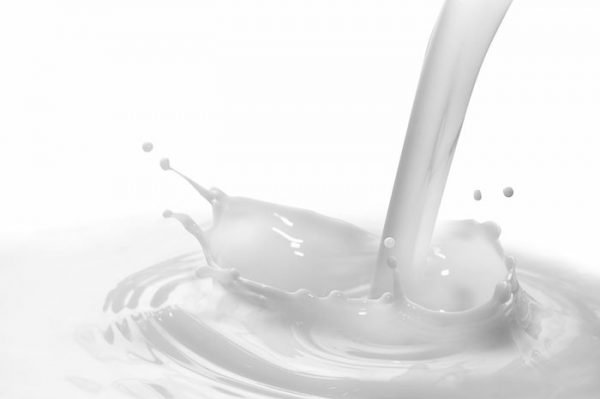
In this article we’ll discuss whether milk (and dairy) is an essential food for everyone. Or whether it’s the dietary evil many make it out to be.
Civilizations began to use milk as a source of nourishment around 8000 BCE.
Although animals used for milk include cattle, goats, sheep, horses, buffalo, yaks, donkeys and camels, cow’s milk is one of the mildest tasting mammalian milks and the most popular.
No culture has ever habitually consumed milk from an animal that didn’t live on grass/leaves, as flesh-eating animals secrete milk with an odd flavor that most people don’t fancy.
Most flesh eating animals also give birth to a litter (think dogs and pigs), which means the mammary system is spread along the length of the torso. Translation: Milking is difficult with big, clumsy human hands.
Cheese is said to have been discovered by an Arab nomad travelling across the desert during the Neolithic period with milk in a container made from an animal’s stomach. The enzymes in the stomach curdled the milk.
Fast forward to the 1800s & 1900s when our relationship with dairy cows changed. Populations increased and the importance of calcium and phosphorus for skeletal health became evident.
Milk was promoted by public education campaigns and doctors as a rich source of these minerals. Doctors considered milk as an “indispensible” component of a child’s diet based on this association.
The industry responded to the demand and milk came from cows crowded into dirty milking sheds. Lots of cows, lots of dirt, and little space meant sick cows.
There was concern of a milk-borne epidemic as this new form of unhygienic milk production took precedence. Dairy farmers tried sterile bottling and disease testing on cows, but problems persisted; thus, pasteurization and refrigeration became common after 1900.
Why is milk processing so important?
Milk ferments unless refrigerated. And bacteria and viruses can be transmitted from animals to humans in the course of handling.
Pasteurization
Pasteurization heats milk in a vat to temperatures that microorganisms cannot tolerate.

There are various forms of pasteurization:
- Original pasteurization (1920s): 145 degrees F for 35 minutes
- High temperature short time (HTST) pasteurization (1930s): 161 degrees F for 15 seconds
- Ultra high temperature (UHT) pasteurization (1970s): 280 degrees F for 2 seconds
HTST and UHT are cheap to implement and regulate. With the increasing demand for milk and milk processing, it was no longer cost effective to produce low volume, raw milk. Smaller farms were driven out of business.
Processing milk results in higher amounts of lactose and this is one of the reasons raw milk is promoted by some (although the risk of milk-borne disease increases).
Homogenization
Homogenization crushes milkfat globules so small that they cannot rise to the surface and form a cream layer. This helps mix added fat soluble vitamins, but can turn raw milk rancid, so pasteurization must also take place.
Homogenization didn’t gain acceptance until the 1930s when cardboard and opaque milk containers were introduced. Before then, the cream line was visible through glass bottles and used by consumers to gauge the richness of milk.
What you should know about milk production today
Cows have a nine month gestation period and lactate only when they’ve recently given birth, just like humans. In the past, dairy farmers would allow cows a seasonal reproductive cycle, and birth was planned in sync with the new grass of spring.
This way, the mother had lots of nutritious grazing and time to replenish nutrient stores. Grazing is healthier for cows because it provides fresh air and exercise and grass is what the bovine digestive system is built for.
In contrast, industrial production involves feeding cows grain. More grain means more rumen (stomach) acidity, more thirst, diluted milk and ruminal acidosis. Acidosis leads to ulcers, infectious bacteria, inflammation and growth of E. coli. Antibiotics are administered to offset these ailments.
Current dairy producers inseminate cows just a few months after her previous birth, guaranteeing minimal time between pregnancies. When cows produce milk for longer than one year, their immune systems are compromised and milk quality is diminished.
Not only is this uncomfortable for the cow, it increases pregnancy-triggered estrogens in the milk supply. Estrogens can fuel tumor growth.
Scientists find a soup of suspects while probing milk’s link to cancer
Test-tube studies and studies in adults over the past decade have linked cow’s milk with an excess cancer risk in the prostate, and to a lesser extent in the breast and ovaries.
A new study by researchers at the National Cancer Institute assayed grocery-store milk for 15 estrogens: estrone, estradiol and 13 metabolic derivatives of these female sex hormones.
Estrogens can fuel the growth of many tumors, even in the prostate–and estrogen can do this at amazingly tiny concentrations. Identifying how estrogens’ prevalence varies by milk type, and in what chemical form the hormones occur, required a new assay, which the NCI scientists describe in an upcoming issue of the Journal of Chromatography B.
Overall, skim milk had the smallest quantity of free estrogens. However, the conjugated type that dominated skim milk’s profile, 2-hydroxyestrone, is known to be one of the most reactive and potentially risky of the metabolites. That metabolite’s concentration in fat-free milk was second only to buttermilk’s.
There are also other sex hormones in milk—the “male” androgens and insulin-like growth factor 1. Many studies have linked elevated concentrations of IGF-1 with cancer risk.
A cow’s life
More pregnancy means more calves. Calves are taken within 24 hours of birth at most farms. Since male calves cannot be raised to produce milk, they are used for veal. The veal industry is a by-product of the dairy industry. Female calves replace their mothers and are then sent to slaughter.
The number of dairy cows in the U.S. decreased from 18 million to 9 million between 1960 and 2005. Total milk production increased from 120 billion to 177 billion pounds during the same period. This is due to strategic breeding and pharmaceutical aid.
| Life of a cow (1850) | Life of a cow (2005) |
|
|
Milk consumption patterns
Americans are drinking less milk than they used to, as well as more lower-fat milk, but eating more cheese and way more frozen dairy products (aka ice cream).
1909 |
2001 |
|
|
|
|
|
|
What you should know about organic vs. conventional milk
Sales of organic dairy are increasing 20-25% each year. Many people assume that “organic” means better in many respects. In some ways this is true.
Organic cows may be fed better. Although organic cows are supposed to only receive organic feed, farmers are not required to feed the cows grass.
Organic cows are less likely to be given hormones. The use of rBST (growth hormone) is prohibited with organic cows. rBST is sometimes given to “conventional” cattle to promote growth and milk production, but is banned in Europe, Japan and Canada because of concerns over human health and animal welfare.
IGF-1 can increase secondary to rBST, increasing the odds of mastitis and decreasing the life expectancy for cows while promoting cancer in humans.
But organic isn’t synonymous with healthy living conditions or humane treatment of animals.
Organic dairy production in the U.S. is concentrated with only a few producers owned by agribusiness conglomerates. Organic dairy farmers generally use the same breed and feed methods as conventional farmers, including concentrated animal feeding operations. Organic milk is processed the same as conventional.
What you should know about milk composition
Cow’s milk is made up of 87% water and 13% solids, including minerals (like calcium and phosphorus), lactose, fats, and proteins (like whey, casein, lactalbumins). Fortification with vitamins A and D is necessary since natural levels are low.
Casomorphins are derived from casein, one of the milk proteins. They have opioid (narcotic) properties (think morphine, oxycodone and endorphins). Casomorphins have addictive properties and decrease bowel motility.
The addictive properties make sense from an evolutionary standpoint as the draw to milk is necessary for infant nutrition, calming and bonding with mom. Human milk casomorphins are about 10 times weaker than those found in cows milk.
What you should know about milk and health
Most of us consume our mother’s milk after birth and then transition to cow’s milk. Lactase production diminishes around age 4.
When more than small amounts of un-soured milk enter the GI tract, lactose passes intact to the intestine. This draws water, producing bloating and diarrhea. Some evolutionary biologists believe that those who have the ability to digest lactose were among groups whose ancestors were dairy farmers.
Humans are the only animals who have ever thought of transferring milk from mammary glands of another species to opaque containers and selling it. Using another creature’s milk for food is a peculiar custom indeed and is still not universally accepted. Most interspecies milk substitutions would be disastrous for newborns because of the crucial matches between milk composition and nutrient needs.
While kids believe drinking milk is the key to bone health, scientific reviews acknowledge the following:
“Scant evidence supports nutrition guidelines focused specifically on increasing milk or other dairy product intake for promoting child and adolescent bone mineralization.” (Lanou 2006)
Milk and calcium
In many parts of the world cow’s milk is a negligible part of the diet, and yet, diseases associated with lack of calcium (e.g., osteoporosis, fracture) are uncommon.
In fact, data suggests that calcium rich dairy foods actually increase calcium losses from the body.
How much calcium we get from the diet really isn’t that important, rather, what matters is how much we retain in the body. Populations consuming the most dairy have among the highest rates of osteoporosis and hip fracture in later life.
While cow’s milk can be high in certain nutrients, it’s difficult to argue that it is “essential” for optimal health.
Milk and chronic diseases
Dairy consumption has been associated with cardiovascular diseases, type 1 diabetes, Parkinson’s disease and cancers. Scientists don’t know if this is specifically due to the dairy fat, casein, or the displacement of other nutritious foods.
Nutrition can alter the expression of genes involved in the development of cancer. Casein, a protein found in cows milk, has been linked to different forms of cancer, with strong associations for lymphoma, thyroid cancer, prostate cancer, and ovarian cancer.
What you should know about milk and the environment
Dairy cows consume large amounts of food, produce large amounts of waste, and emit methane. In fact, in the San Joaquin Valley in California, cows are regarded as worse polluters than cars.
Still, dairy is slightly more energy-efficient than raising animals for meat.
| Conventional farm | Organic farm | Soy milk |
|
|
|
Summary and recommendations
Is it possible to get milk from humanely treated animals that is nutritious, sustainable and tastes good? Yes.
Is this where most milk comes from? No.
With the amount of dairy consumed in North America, sustainable and humane dairy operations are a near-impossibility. If we can discard the concept that guzzling X ounces of milk a day is an obligation, perhaps we would be free to discover different forms of it, better production methods and ration intake.
The most nutritious and best tasting milk comes from healthy animals that spend most of their time outdoors on fresh pasture eating lots of grass supplemented with hay, root veggies and grains. In theory, organic family farmers might be better stewards of land, water and food. Non-dairy milks are likely just as nutritious and better for the environment.
More milk in the diet doesn’t necessarily improve bone health. Indeed, consuming high amounts of milk from processed sources is associated with various forms of cancer, diabetes, cardiovascular diseases and neurological disorders.
“You have to decide: Is there anything good about milk? Other than developing children and malnourished adults, people probably don’t need milk.”
–Oncologist Michael Pollak, McGill University in Montreal
“The key to a healthful diet is to choose naturally nutrient-rich foods, such as dairy foods, first as part of a balanced diet.”
–National Dairy Council
For extra credit
For mammals (mammals have mammary glands), the first form of nourishment is milk.
Butter is slowly simmered to produce ghee.
Casomorphins from cow’s milk have about 1/10th the pain killing strength of morphine.
Individuals who drink > 2 glasses of milk per day have 3 times the lymphoma risk of those who drink less than 1 glass per day.
Lower fat milks are fortified with vitamin A since the vitamin is fat soluble and disappears with the removal of cream/fat.
In 1929, the milkfat in whole milk ranged from 2.9 percent to 8.4 percent. Whole milk now has an industry standard of 3.25 percent.
Some experts suggest that only certain components of dairy pose health problems, such as the casein. Casein isn’t found in butter or whey.
The word milk comes from the Latin mulgeo, which means to press out by softening with the hand.
Buffalo produce rich milk and more milk than most other animals. The reason it never became a staple for many cultures is due to religious beliefs.
Raw milk contains lower levels of lactose.
Disposable milk containers introduced in the 1930s created more waste.
Milk appealed to nomads due to the ease of transport.
Organic dairy update
Between 2000 and 2005, the number of certified organic milk cows on U.S. farms increased by an average of 25%. To meet the demand, organic production is evolving like conventional production.
Large organic dairies with 200 cows or more are a small portion of the organic dairy population, but account for more than 1/3 of organic milk production.
About 2/3 of organic dairies report that 50% of dairy forage comes from pasture. About 1/3 of organic dairies report that 75% or more of dairy forage comes from pasture.
Using pasture for dairy feed costs less than higher energy feed sources, and average feed costs per cow decline as more pasture is used.
Organic dairies produce about 30% less milk per cow than conventional dairies. And organic dairies use more pasture-based feeding.
Pasture-based organic dairies’ total economic costs were about $4 per unit higher than conventional pasture-based dairies, much lower than the average price premium for organic milk in 2005.
References
Feskanich D, Willet WC, Stampfer MJ, Colditz GA. Milk, dietary calcium, and bone fractures in women: a 12-year prospective study. Am J Public Health 1997;87:992-7.Cumming RG, Klineberg RJ. Case-control study of risk factors for hip fractures in the elderly. Am J Epidemiol 1994;139:493-505.
Huang Z, Himes JH, McGovern PG. Nutrition and subsequent hip fracture risk among a national cohort of white women. Am J Epidemiol 1996;144:124-34.
Cummings SR, Nevitt MC, Browner WS, et al. Risk factors for hip fracture in white women. N Engl J Med 1995;332:767-73.
Finn SC. The skeleton crew: is calcium enough? J Women’s Health 1998;7(1):31-6.
Nordin CBE. Calcium and osteoporosis. Nutrition 1997;3(7/8):664-86.
Reid DM, New SA. Nutritional influences on bone mass. Proceed Nutr Soc 1997;56:977-87.
Tucker KL, Hannan MR, Chen H, Cupples LA, Wilson PWF, Kiel DP. Potassium, magnesium, and fruit and vegetable intakes are associated with greater bone mineral density in elderly men and women. Am J Clin Nutr 1999;69:727-36.
Prince R, Devine A, Dick I, et al. The effects of calcium supplementation (milk powder or tablets) and exercise on bone mineral density in postmenopausal women. J Bone Miner Res 1995;10:1068-75.
Ornish D, Brown SE, Scherwitz LW, Billings JH, Armstrong WT, Ports TA. Can lifestyle changes reverse coronary heart disease? Lancet 1990;336:129-33.
Honglei C, et al. Consumption of dairy products and risk of Parkinson’s disease. Am J Epidem 2007;165:998-1006.
Cramer DW, Harlow BL, Willet WC. Galactose consumption and metabolism in relation to the risk of ovarian cancer. Lancet 1989;2:66-71.
Outwater JL, Nicholson A, Barnard N. Dairy products and breast cancer: the IGF-1, estrogen, and bGH hypothesis. Medical Hypothesis 1997;48:453-61.
Chan JM, Stampfer MJ, Giovannucci E, et al. Plasma insulin-like growth factor-1 and prostate cancer risk: a prospective study. Science 1998;279:563-5.
World Cancer Research Fund. Food, Nutrition, and the Prevention of Cancer: A Global Perspective. American Institute of Cancer Research. Washington, D.C.: 1997.
Cadogan J, Eastell R, Jones N, Barker ME. Milk intake and bone mineral acquisition in adolescent girls: randomised, controlled intervention trial. BMJ 1997;315:1255-69.
Childhood dairy intake and adult cancer risk: 65-y follow-up of the Boyd Orr cohort
van der Pols JC, et al. American Journal of Clinical Nutrition, Vol. 86, No. 6, 1722-1729, December 2007
Gao X, et al. Prospective study of dietary pattern and risk of Parkinson disease.
Scott FW. Cow milk and insulin-dependent diabetes mellitus: is there a relationship? Am J Clin Nutr 1990;51:489-91.
Karjalainen J, Martin JM, Knip M, et al. A bovine albumin peptide as a possible trigger of insulin-dependent diabetes mellitus. N Engl J Med 1992;327:302-7.
Bertron P, Barnard ND, Mills M. Racial bias in federal nutrition policy, part I: the public health implications of variations in lactase persistence. J Natl Med Assoc 1999;91:151-7.
Jacobus CH, Holick MF, Shao Q, et al. Hypervitaminosis D associated with drinking milk. N Engl J Med 1992;326(18):1173-7.
Holick MF. Vitamin D and bone health. J Nutr 1996;126(4suppl):1159S-64S.
Outwater JL, Nicholson A, Barnard N. Dairy products and breast cancer: the IGF-1, estrogen, and bGH hypothesis. Medical Hypothesis 1997;48:453-61.
Mendelson A. Milk. The surprising story of milk through the ages. 2008. Alfred A. Knopf, Random House. New York.
Schmid R. The Untold Story Of Milk. 2009. New Trends Publishing. Washington D.C.
Rhodes D & Morris G. Greener Pastures: Health and Sustainability on a Family Dairy Farm. The HEN Post, Hunger and Environmental Nutrition – a dietetic practice group of the American Dietetic Association. Winter 2009.
Woodford K. Devil in the milk. 2007. Chelsea Green Publishing. White River Junction, VT.
Margen S, et al. Studies in calcium metabolism. I. The calciuretic effect of dietary protein. Am J Clin Nutr 1974;27:584-589.
Kerstetter JE & Allen LH. Dietary protein increases urinary calcium. 1989;120:134-136.
Lanou AJ. Bone health in children. BMJ. 2006;333:763-764.
Leibenluft, J. Is it better for the environment to drink cow’s milk or soy milk?
U.S. Department of Agriculture National Agricultural Statistics Service. Milk Cows: Inventory by Year, U.S.: 1993 to 2002. Accessed January 27, 2006, at www.nass.usda.gov/Charts_and_Maps/Milk_Production_and_Milk_Cows/milkcows.asp.
Raloff J. Scientists find a soup of suspects while probing milk’s link to cancer. Science News. March 28th, 2009.
McBride WD & Greene C. Characteristics, costs and issues for organic dairy farming. Economic Research Report No. (ERR-82) November 2009. http://www.ers.usda.gov/Publications/ERR82
All about Cortisol

What is cortisol?
Cortisol is a hormone that belongs to a family of steroid hormones known as glucocorticoids. It’s secreted by the adrenal cortex, which is located in your adrenal glands that sit atop your kidneys. Cortisol is the main glucocorticoid in humans.
Glucocorticoids affect every cell in the body so needless to say, they’re pretty important.
In particular, glucocorticoids released in the body send feedback to the brain and influence the release of CRH (corticotropin-releasing hormone) and ACTH (adrenocorticotropic hormone). ACTH stimulates the adrenal glands to secrete cortisol. The rise in cortisol secretion follows ACTH release after a 15-minute to 30-minute delay.
Why is cortisol so important?
Cortisol accelerates the breakdown of proteins into amino acids (except in liver cells). These amino acids move out of the tissues into the blood and to liver cells, where they are changed to glucose in a process called gluconeogenesis. A prolonged high blood concentration of cortisol in the blood results in a net loss of tissue proteins and higher levels of blood glucose.
Isn’t this bad?
Well, not exactly. By raising plasma glucose levels, cortisol provides the body with the energy it requires to combat stress from trauma, illness, fright, infection, bleeding, etc.
Obviously, this is bad from a muscle breakdown perspective; however, the body is simply trying to preserve carbohydrate stores and deliver energy when it’s needed most. Acutely, cortisol also mobilizes fatty acids from fat cells and even helps to maintain blood pressure.
As it’s part of the inflammatory response, cortisol is necessary for recovery from injury. However, chronically high levels of cortisol in the blood can decrease white blood cells and antibody formation, which can lower immunity. This is the most important therapeutic property of glucocorticoids, since they can reduce the inflammatory response and this, in itself, suppresses immunity.
Thus, cortisol is:
- Protein-mobilizing
- Gluconeogenic
- Hyperglycemic
Whether these effects are “good” or “bad” depends on whether cortisol’s release is acute (ie brief and infrequent) or chronic (ie ongoing).

What you should know
Here are the cortisol reference ranges. Notice that they depend on the mode of measurement (urine vs serum) and time of day.
- Cortisol, free (urine) 20-90 mcg/day
- Cortisol (serum) 4-22 mcg/dL (morning specimen)
- Cortisol (serum) 3-17 mcg/dL (afternoon specimen)
Cortisol has a close relationship to exercise and training status.
For example, cortisol levels can be a sign of overtraining. To be indicative of overtraining, cortisol increases may need to be higher than 800 nmol/L.
Exercise type
The type of exercise regimen performed can dictate hormonal response.

The relationship between cortisol, other hormones, nutrition, and stress
Acute high intensity resistance exercise is associated with increased plasma cortisol concentration. In other words, after something like a sprint or a high-intensity conditioning or bodybuilding-style workout, plasma cortisol concentration increases. The response is similar to that seen of growth hormone. The most dramatic increases occur when rest periods are short and total volume is high.
Cortisol responses to increased training volume are variable. Response depends on specific training protocols and diurnal variations (variations over the course of the day).
Again, it is important to distinguish between acute and chronic cortisol release. When muscle glycogen concentrations are low, cortisol is released and fuel use shifts toward protein or fat so that judicious use is made of the little glucose that remains. However, in the long-term, excessive cortisol will encourage fat synthesis and storage, along with provoking appetite.
On the other hand, aerobic endurance training, particularly running, is linked with protein loss from muscle (partially induced by cortisol). Endurance trained individuals typically have a higher cortisol response, while resistance trained individuals have a higher testosterone response. Secretion of cortisol is elicited at exercise intensities between 80% and 90% of VO2 max, which means that in this case, we’re not necessarily describing recreational exercise — we’re referring to endurance training.
Time of day and time of eating
The degree of cortisol release during high intensity exercise depends in part on the time of day and the timing of meals. When exercise is performed during a time of already high cortisol levels (for example, in the morning), it doesn’t increase above already elevated levels.
Cortisol secretion displays 7 to 15 spontaneous or meal-associated “pulses” throughout the day.
Cortisol circadian rhythms are closely coupled to the sleep-wake cycle. Peak cortisol release occurs between 7 and 9 in the morning, the time of dark-light transition.

Changes in cortisol over a 24-hour period
The physiological environment
Cortisol causes atrophy in muscle (mainly fast twitch type 2) and bone. The anabolic effects of testosterone and insulin oppose cortisol’s catabolic effects.
The acute increases in cortisol following exercise also stimulate acute inflammatory response mechanisms involved with tissue remodeling. In the short term, this is a necessary response that helps with repairing damage produced by training. Only long-term cortisol elevations seem to be responsible for adverse catabolic effects.
Stress (both psychological and physical) can result in the “alarm reaction.” If stress is ongoing, this can cause enlarged adrenal glands and atrophied lymphatic organs. When adrenals enlarge, they can produce excessive cortisol; when lymphatic organs shrink, they create fewer white blood cells. The immunosuppressive effects of intense exercise have been attributed to high plasma cortisol concentrations that prevail after prolonged intense exercise.
For extra credit
- Excessive secretion of glucocorticoids produces a collection of symptoms called Cushing’s syndrome. One of the symptoms is a redistribution of body fat, known as lipodystrophy.
- Protein and carbohydrate consumption after exercise can offset the cortisol response.
- High blood levels of glucocorticoids can stimulate gastric acid and pepsin production and may exacerbate ulcers.
- Cortisol levels can be up to 50% higher in animals under stress if alone (ie socially isolated).
- Estradiol increases the binding protein for cortisol so that circumstances associated with increased (pregnancy) or decreased (exercise induced amenorrhea and menopause) estradiol alters the amount of circulating free cortisol and its actions.
- Exercising in a depleted state can result in high levels of gluconeogenesis (protein breakdown).
Summary and recommendations
- Take regular, planned breaks from intense training
- Consume enough calories from non-processed foods to prevent depletion
- Get 7-9 hours of sleep per night to decrease stress and cortisol release
- Consume carbohydrates and protein after exercise sessions
- Don’t isolate yourself – spend time with friends and family
- Regularly participate in a stress-relieving activity like mild yoga or meditation
- Avoid excessive amounts of intense aerobic endurance training (unless training for endurance event)
References
Pawlak L. Stop Gaining Weight. 1st ed. Biomed General. Concord, CA. 2004.
Thibodeau GA & Patton KT. Eds. Anatomy & Physiology, 4th ed. Mosby, Inc. St. Louis, MO. 1999.
Borer KT. Exercise Endocrinology. Human Kinetics. Champaign, IL. 2003.
Beers MH, Berkow R eds. Merck Manual. 17th ed. Merck Research Laboratories. Whitehouse Station, NJ. 1999.
Harvey RA, Champe PC eds. Pharmacology 2nd ed. Lippincott Williams & Wilkins. 2000.
Baechle TR & Earle RW. Essentials of Strength Training and Conditioning. National Strength Training Association, 2nd ed. Human Kinetics. Champaign, IL. 2000.
All About Creatine

What is creatine?
Creatine is an amino acid derivative constructed from arginine, glycine and methionine. It is produced naturally by the body in the kidneys, liver, and pancreas at a rate of about 1-2 grams/day. Creatine can also be obtained from food (particularly red meat) and supplementation.
The uptake of creatine into muscle cells is an active process. 90-95% of creatine in the body is found in muscle.
Creatine is degraded into creatinine and excreted in the urine at a rate of around 2 grams/day.
Why is creatine so important?
The energy needs of brief, rapid and powerful movements lasting fewer than 10 seconds, such as a short sprint, are met by the phosphagen system. This system quickly replenishes the stores of adenosine triphosphate, or ATP, which provides energy to the working cells. Muscles have an existing amount of ATP hanging around ready for action, but only a little bit — enough for a few seconds. ATP is broken down by removing a phosphate, which turns it into adenosine diphosphate (two phosphates). To make more ATP, the muscles need to get the missing third phosphate from somewhere, quickly.
This is where creatine phosphate comes in. It takes one for the team by donating its phosphate so that ADP can become ATP again, and so you can finish that sprint.
Because creatine plays a major role in this system, more creatine means more potential ATP, which translates into improved performance on short-duration, high-intensity tasks. Because long-duration, low-intensity activities rely more on a different energy system, they are not typically enhanced by creatine — in other words, creatine will help a sprint but not a marathon.
Consuming creatine supplements can increase skeletal muscle free creatine (which makes up about 1/3) and phosphocreatine (which makes up about 2/3) concentrations. These are the naturally occurring energy pools that replenish ATP.
Uptake of creatine into muscle also has a cell volumizing effect by drawing water into the cell. Over the long term, this swelling may increase protein synthesis and glycogen storage.

What you should know
Creatine is taken as a supplement in the form of creatine monohydrate (mainly), because the phosphorylated creatine (creatine phosphate or phosphocreatine) does not pass through cell membranes.
Other forms of creatine supplements have not been heavily studied and may result in more of a by-product known as creatinine. A recent study found that “when compared to creatine monohydrate, creatine ethyl ester was not as effective at increasing serum and muscle creatine levels or in improving body composition, muscle mass, strength, and power.”
Creatine use can improve performance in high-intensity events (e.g., weight training, sprints, etc). Longer duration aerobic workouts may not benefit from regular creatine use.
When following high-dose creatine loading strategies, body mass can be increased by nearly 2 kg (over 4 lbs) in just 7 days. This is mainly due to increases in total body water. However, these rapid water gains are not necessarily associated with lower dose creatine use.
As previously mentioned, long-term use of creatine can stimulate muscle protein synthesis. Plus, when power and strength levels are enhanced, general muscular adaptation can occur indirectly.
The benefits of creatine supplementation may go beyond athletic performance: creatine may have neuro-protective effects on neurological diseases such as Huntington’s disease, Parkinson’s disease, amyotrophic lateral sclerosis (ALS, aka Lou Gehrig’s disease). More human trials are needed to confirm this.
For extra credit
Creatine appears to be safe to use while exercising in the heat.
Creatine does not appear to increase the risk of cramping or injury.
Combining caffeine with creatine shouldn’t negate its effects. (See Creatine Combinations)
Creatine supplementation may be even more beneficial in those on a plant-based diet, due to the lack of creatine consumption from food.
About 20 percent of creatine users are deemed “non-responders.” This may occur because they already have a high enough dietary intake of creatine from whole foods. Conversely, creatine supplementation may be even more beneficial for those on a plant-based diet, due to the lack of creatine consumption from food.
A standard omnivorous diet contains about 1 gram of creatine per day. Typically, additionally benefits occur with intakes of 3-5 grams per day.
Creatine supplementation may be more effective when combined with carbohydrates during the first few days of supplementation. This suggests that insulin may moderate its effects. However, after the first few days, carbohydrates may not be required.
Based on current data, long-term creatine supplementation does not result in adverse health effects.
Creatine supplementation may increase anterior compartment pressure in the lower leg so athletes may want to be careful with creatine supplementation if they’re prone to shin problems.
Summary and recommendations
If you decide to use a creatine supplement:
- Use the monohydrate form
- Consume 3-5 grams of creatine per day
- Dissolve the creatine in a warm beverage like green tea
- You can also take your creatine before and/or after workout sessions with your workout nutrition
- Take a break from creatine supplementation after using for 12-16 weeks
References
Spillane, Mike, et al. The effects of creatine ethyl ester supplementation combined with heavy resistance training on body composition, muscle performance, and serum and muscle creatine levels. Journal of the International Society of Sports Nutrition 2009, 6:6doi:10.1186/1550-2783-6-6.Watson G, et al. Creatine use and exercise heat tolerance in dehydrated men. J Athl Train 2006;41:18-29.Greenwood M, et al. Creatine supplementation during college football training does not increase the incidence of cramping or injury. Mol Cell Biochem 2003;244:83-88.
Greenhaff PL, et al. Influence of oral creatine supplementation on muscle torque during repeated bouts of maximal voluntary exercise in man. Clin Sci 1993;84:565-571.
Green AL, et al. Carbohydrate ingestion augments skeletal muscle creation accumulation during creatine supplementation in humans. Am J Physiol 1996;271:E821-E826.
Green AL, et al. Carbohydrate ingestion augments creatine retention during creatine feeding in humans. Acta Physiol Scan 1996;158:195-202.
Schilling BK, et al. Creatine supplementation and health variables: a retrospective study. Med Sci Sports Exerc 2001;33:183-188.
Paddon-Jones D, et al. Potential ergogenic effects of arginine and creatine supplementation. J Nutr 2004;134:2888S-2894S.
Baechle TR & Earle RW. Essentials of Strength Training and Conditioning. National Strength Training Association, 2nd ed. Human Kinetics. Champaign, IL. 2000.
Borer KT. Exercise Endocrinology. Human Kinetics. Champaign, IL. 2003.